
Restore youthful volume using your own natural tissue.
Fat transfer, also known as fat grafting, uses your own unwanted fat to restore facial volume, improve contours, and create natural-looking, long-lasting rejuvenation.
Serving Denver, Broomfield, Westminster, Boulder, Arvada, and surrounding areas.
Fat transfer is an advanced facial rejuvenation procedure that uses fat harvested from another area of your body as a natural filler.
As we age, the face gradually loses fat, volume, bone support, and soft tissue. This can lead to hollow cheeks, sunken temples, deeper facial folds, and changes in overall facial contour.
During fat transfer, Dr. Janowski removes a small amount of unwanted fat, purifies it, and carefully reinjects it into areas of the face that have lost volume.
Because the treatment uses your own tissue, fat can create a soft, natural-looking result and may provide longer-lasting improvement than many traditional injectable fillers. The current Sonata page positions fat transfer as one of its most advanced facial rejuvenation procedures and highlights Dr. Janowski’s training in fat grafting.
One of the biggest advantages of facial fat transfer is that the material being used already belongs to you.
Instead of introducing a manufactured filler, Dr. Janowski uses your own purified fat to restore volume and improve facial contours.
Fat also contains regenerative components, which is one reason Sonata uses different fat particle sizes for different aesthetic goals.
For some patients, fat transfer offers an opportunity to address facial volume loss while also removing unwanted fat from another area of the body.
The procedure involves three primary steps.
This typically comes from the abdomen, thighs, or knees. Extracting your fat is generally a very easy, painless process, done in our office.
This typically comes from the abdomen, thighs, or knees. Extracting your fat is generally a very easy, painless process, done in our office.
Facial aging is strongly influenced by changes in volume. Fat transfer can be used to restore fullness and improve contours in several areas of the face.

Restore youthful fullness and improve mid-face contours.
Address hollowing that can make the face appear thinner or more aged.
Add soft, natural-looking volume to the lips in appropriate patients.
Improve lower-face contours and balance.
Restore surrounding support and soften deeper facial folds.
Strategic volume placement may help improve certain contour irregularities.
Fat may also be used to soften and improve the appearance of selected facial scars.
Both treatments can restore facial volume, but they are very different approaches.
Neither option is universally better.
For some patients, dermal fillers such as Restylane may produce the best result. For others, fat transfer may offer a more natural and longer-lasting solution for facial volume restoration.
Dr. Janowski will evaluate your facial anatomy, volume loss, goals, and available donor fat before recommending the best approach.

Not all fat is used simply to add volume.
During processing, fat can be prepared in different particle sizes.
The smallest particle-size fat, often referred to as nano-fat, may be used to support skin rejuvenation without adding significant volume.
At Sonata, this can be incorporated into facial rejuvenation strategies designed to improve the appearance of skin texture, hydration, and overall quality.
This preserves an important differentiator from the current page, which discusses nano-fat separately from larger-volume grafting.
Fat transfer can create subtle but meaningful changes by restoring volume where the face has naturally changed over time.
Results May Include
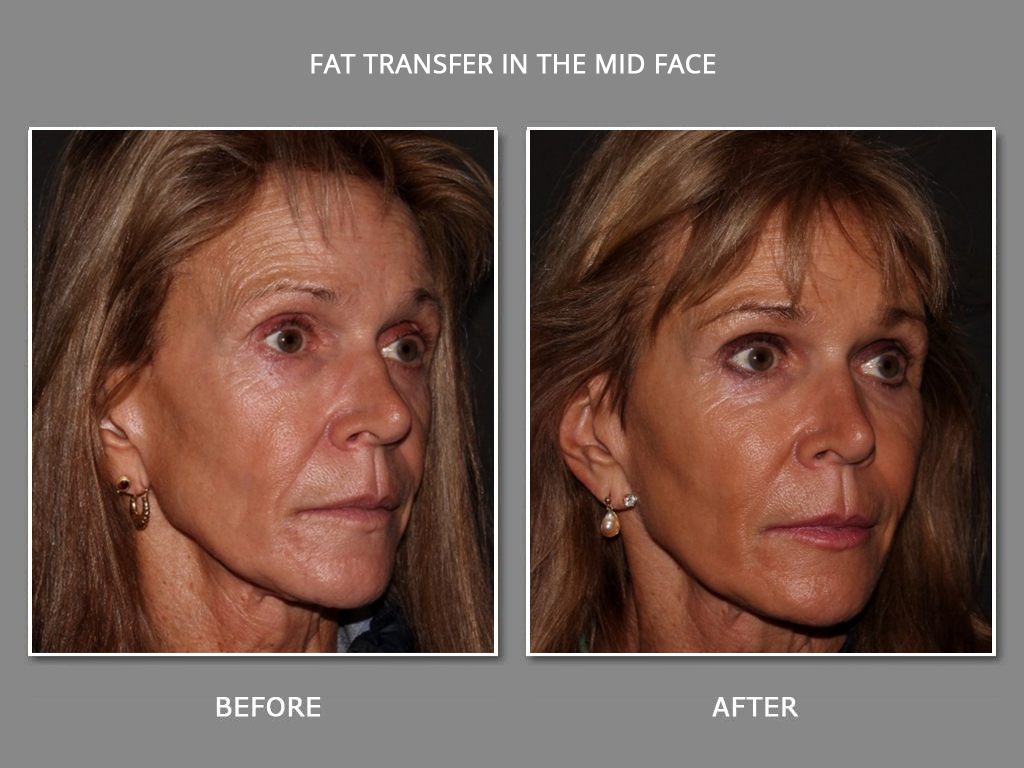
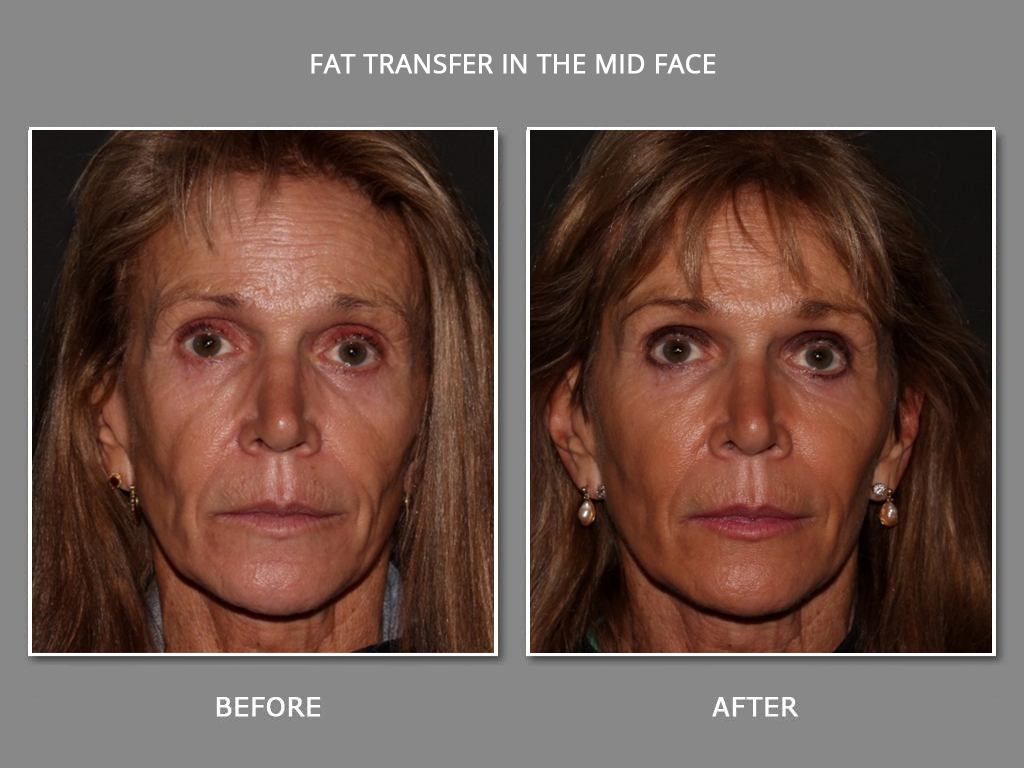
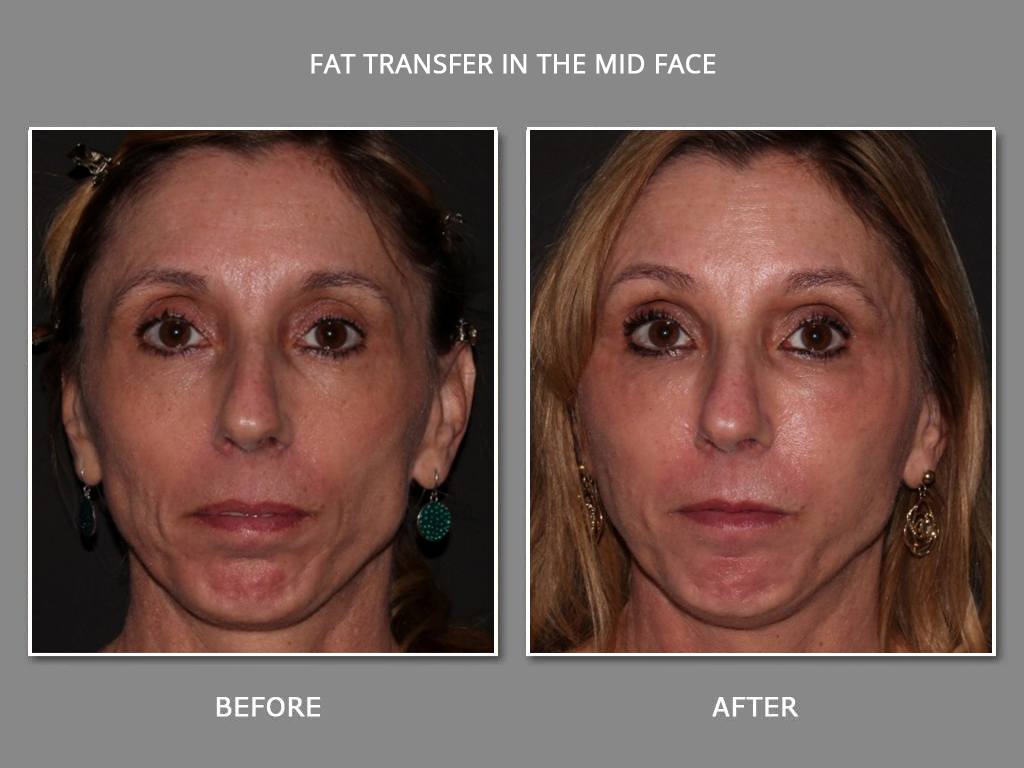
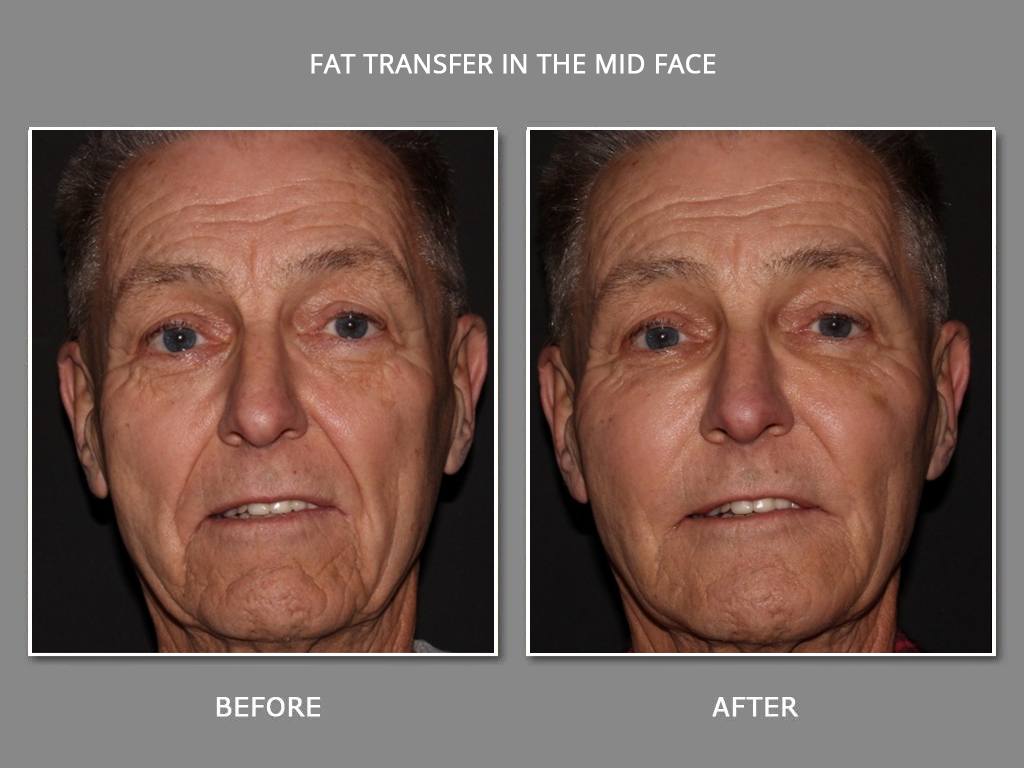
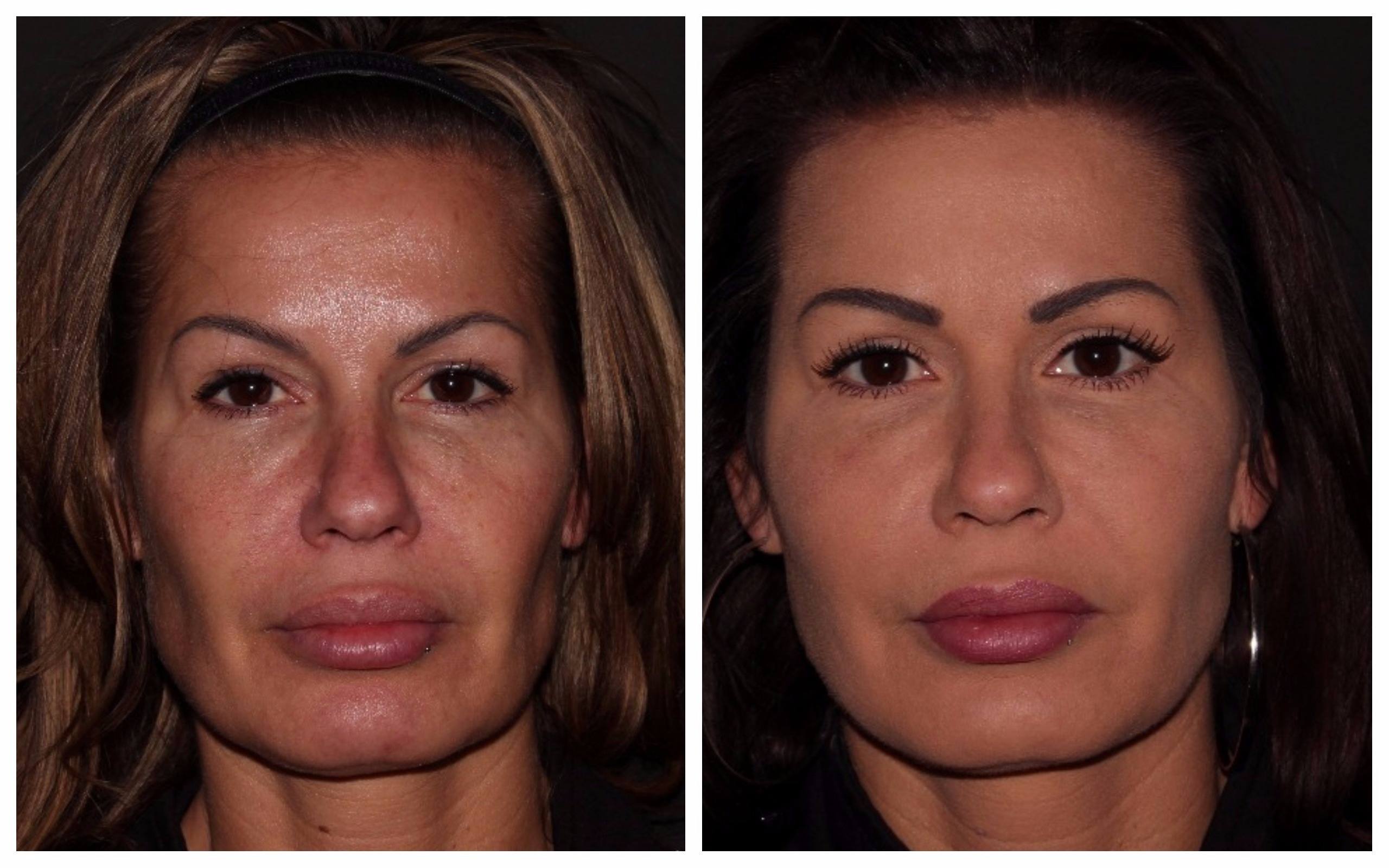


Because fat transfer includes both fat harvesting and facial injections, some temporary swelling and bruising should be expected.
The current Sonata page notes that swelling in the treated areas typically improves within several days and that many patients return to normal daily activities within hours or within a day or two.
After Your Procedure
You may experience:
Your Sonata team will provide individualized recovery instructions based on where fat was removed and where it was placed.
Once initial swelling decreases, the treated facial areas begin to reveal their new contours.
One of the reasons patients consider fat transfer is longevity.
Not every transplanted fat cell will survive permanently. Some of the transferred fat is naturally absorbed by the body during the healing process.
However, the portion that successfully establishes a blood supply can remain in the treated area for an extended period.
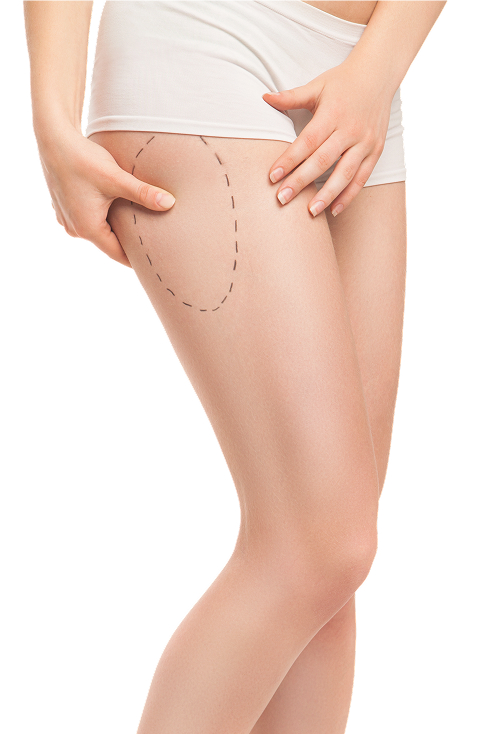
Fat transfer can often be incorporated into a liposuction procedure.
Because the fat is already being removed from the body, selected healthy fat can be purified and used for facial rejuvenation rather than discarded.
This can allow appropriately selected patients to address two concerns in the same overall treatment plan.
Remove unwanted fat from one area. Restore volume where you want it.

Fat grafting requires more than simply removing fat and reinjecting it.
Successful treatment requires an understanding of facial aging, facial proportions, fat processing, placement depth, and how transplanted tissue behaves over time.
Dr. Janowski has pursued advanced training in fat grafting, including training with Dr. Stephen Cohen, and continues to study advanced facial rejuvenation techniques. The current page specifically highlights this training and ongoing education.
The Sonata Approach
Fat can potentially be harvested from several areas. Sonata most commonly references the abdomen, flanks, outer thighs, and other areas with available excess fat.
Sonata describes discomfort as generally minimal and manageable with medication, although individual experiences vary.
Yes. In appropriate patients, fat collected during liposuction can be purified and used for facial fat transfer.
These terms generally describe the same basic concept: removing fat from one area, processing it, and placing it into another area.
Some transferred fat is naturally absorbed, while surviving fat can remain for years. Longevity varies from
patient to patient.
No. Fat transfer uses your own tissue.
It depends on your goals, anatomy, amount of volume needed, and preferred treatment approach. Dr. Janowski can help determine whether fat transfer, dermal filler, or a combination is the best option.
If facial volume loss is making you look more tired or aged than you feel, fat transfer may provide a natural way to restore youthful contours using your own tissue.
Schedule a complimentary consultation with Dr. Janowski to determine whether facial fat transfer, dermal fillers, or another customized treatment is right for you.
Sonata named Top MedSpa in Colorado.