
Refresh tired, heavy-looking eyes by removing excess upper eyelid skin with a precise, in-office blepharoplasty performed by Dr. Janowski.
Serving Denver, Broomfield, Westminster, Boulder, Arvada, and surrounding areas.
As we age, excess upper eyelid skin can begin to create a heavy, hooded or tired appearance. For some patients, sagging upper eyelids can even interfere with their field of vision.
Blepharoplasty, commonly called an eyelid lift or eyelid surgery, removes a small amount of excess skin from the upper eyelids to create a cleaner, more open appearance.
At Sonata, the goal is not to change the character of your eyes. It is to help you look refreshed while maintaining a natural appearance.
Blepharoplasty is a surgical procedure that removes excess skin from the eyelids.
Upper eyelid blepharoplasty focuses specifically on excess skin of the upper lids. As the skin around the eyes changes with age, it can begin to fold over the natural eyelid crease, making the eyes appear heavier or more tired.
Removing this excess skin can reveal more of the natural upper eyelid and create a brighter, more refreshed appearance.
Blepharoplasty may be performed for cosmetic reasons or, in some patients, to improve a field of vision that has become obstructed by excess upper eyelid skin.
Important to Know
Blepharoplasty is designed to address excess eyelid skin. It does not directly treat:
For patients looking for broader eye or facial rejuvenation, Dr. Janowski may recommend combining eyelid surgery with treatments such as Dysport, dermal fillers or laser resurfacing.
Sagging and excess eyelid skin are commonly associated with the natural aging process.
Over time, changes to the skin and supporting structures around the eye can cause the upper eyelid to appear lower, heavier or more hooded.
Some patients also develop these concerns earlier because of genetics.
The result can be primarily cosmetic, but significant upper eyelid sagging may also begin to interfere with vision.
For upper eyelid blepharoplasty, Dr. Janowski carefully plans the amount of excess skin to be removed while preserving the natural shape and character of the eyes.
The incision is positioned along the natural crease of the upper eyelid, helping the resulting scar blend into an existing fold once healed.
For a typical upper eyelid procedure, treatment can be performed in the office under local anesthesia. Oral sedation can also be provided if desired.
Dr. Janowski evaluates your eyelids, concerns and desired outcome.
Excess upper eyelid skin is carefully removed through an incision concealed within the natural eyelid crease.
Swelling and bruising gradually resolve, revealing a more open and refreshed appearance.
Blepharoplasty can create a significant improvement without making the eyes look unnatural or dramatically different.
The goal is for you to still look like yourself, simply with less excess upper eyelid skin and a more refreshed appearance.
Results May Include
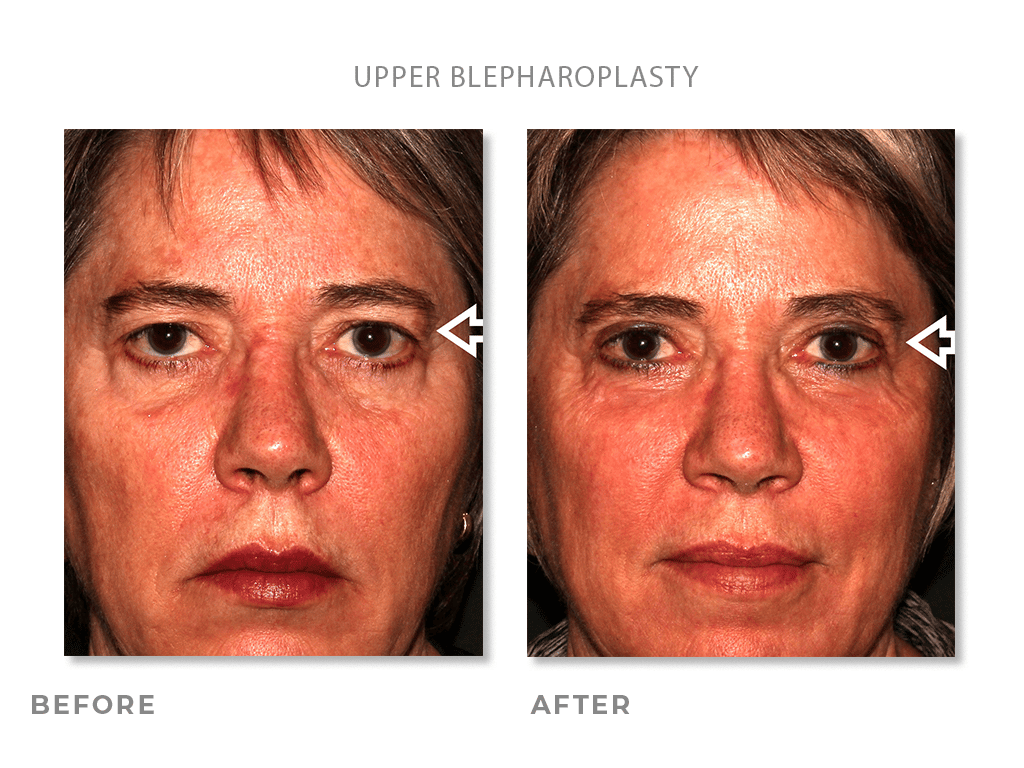
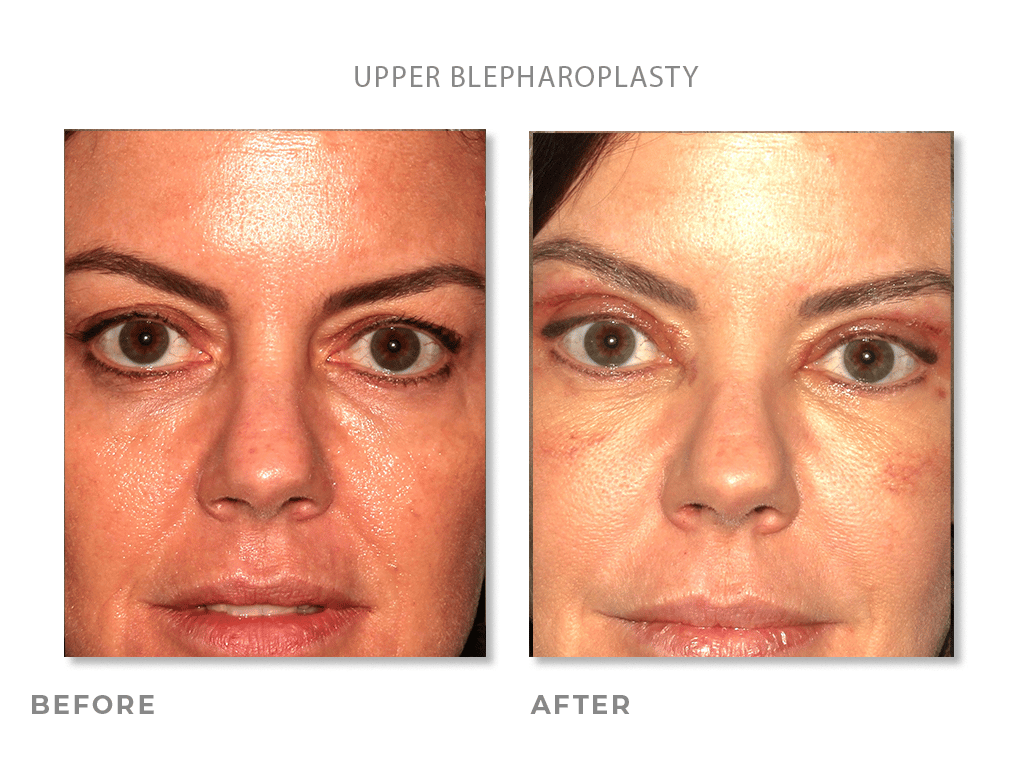
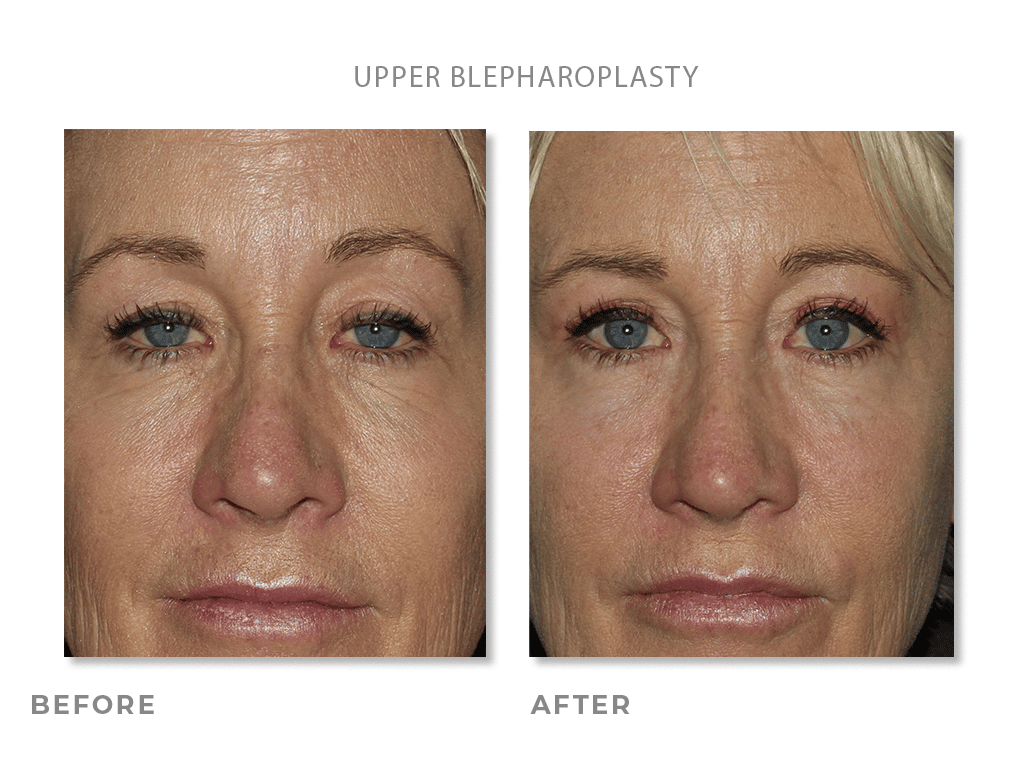
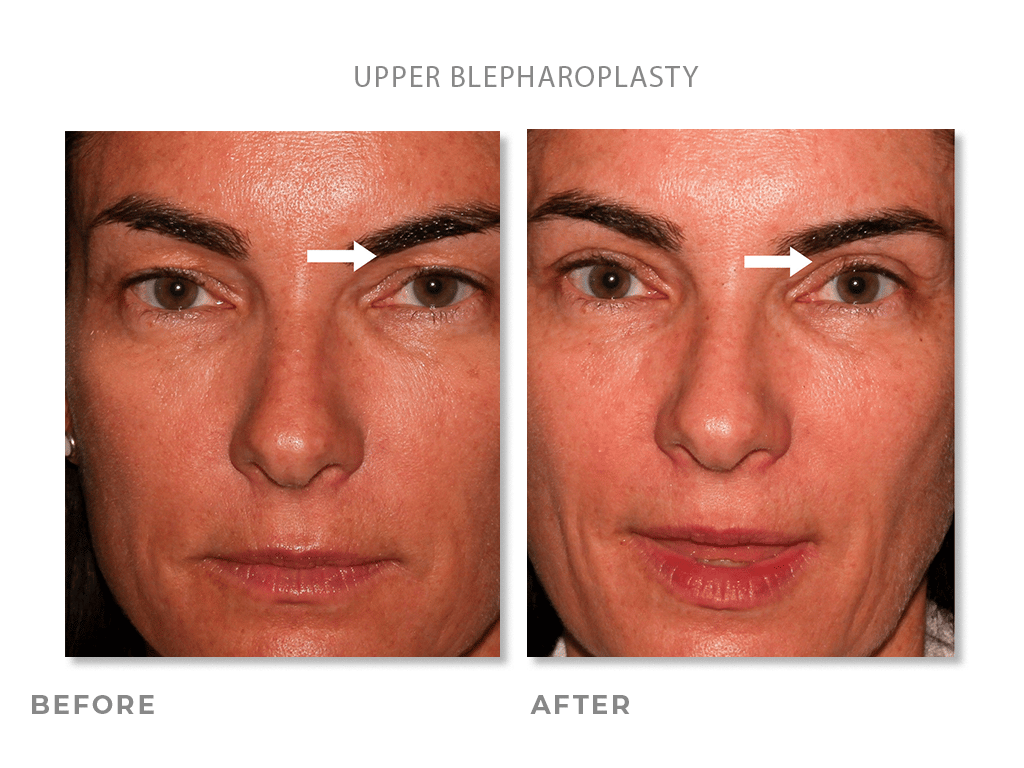
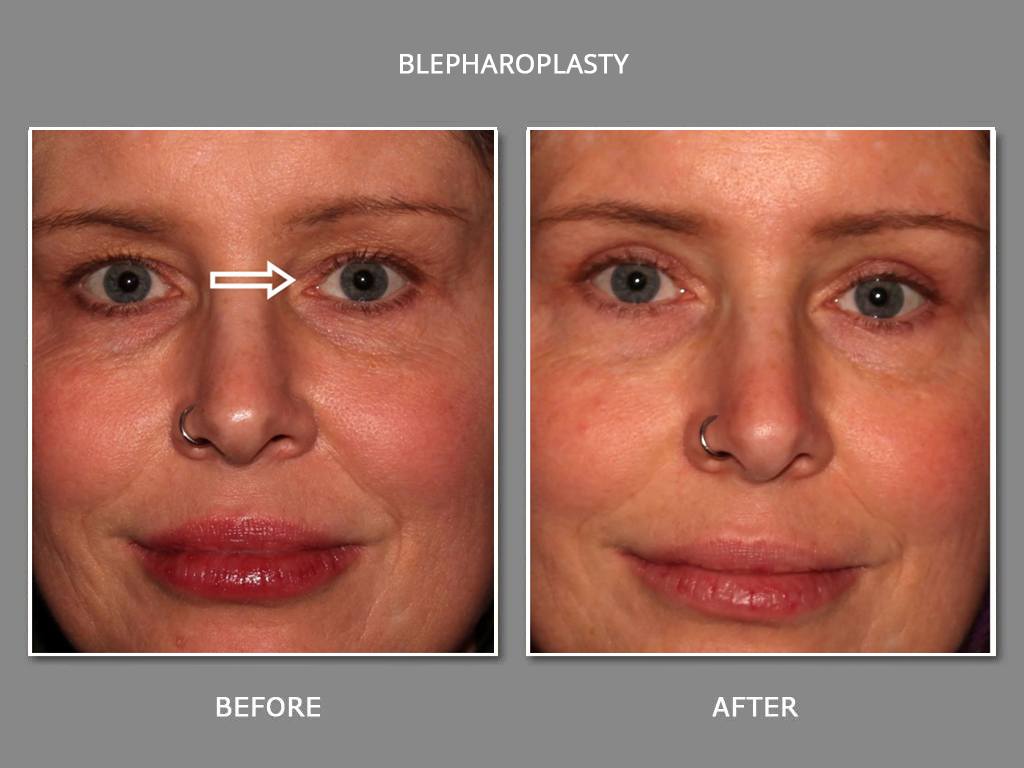
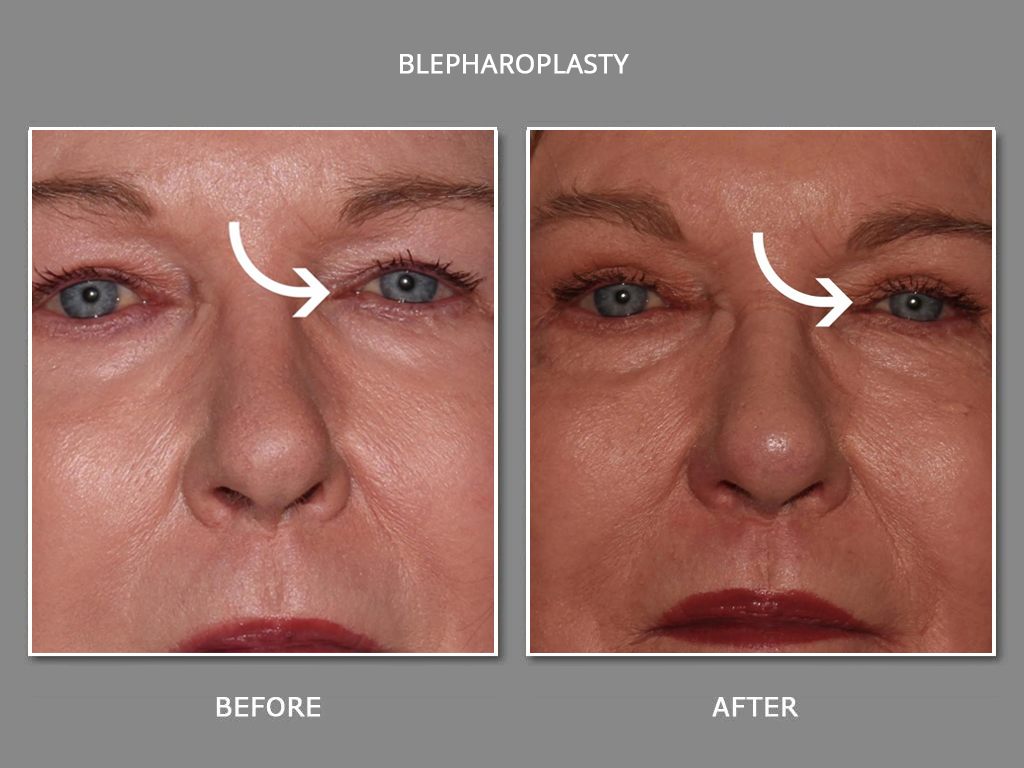
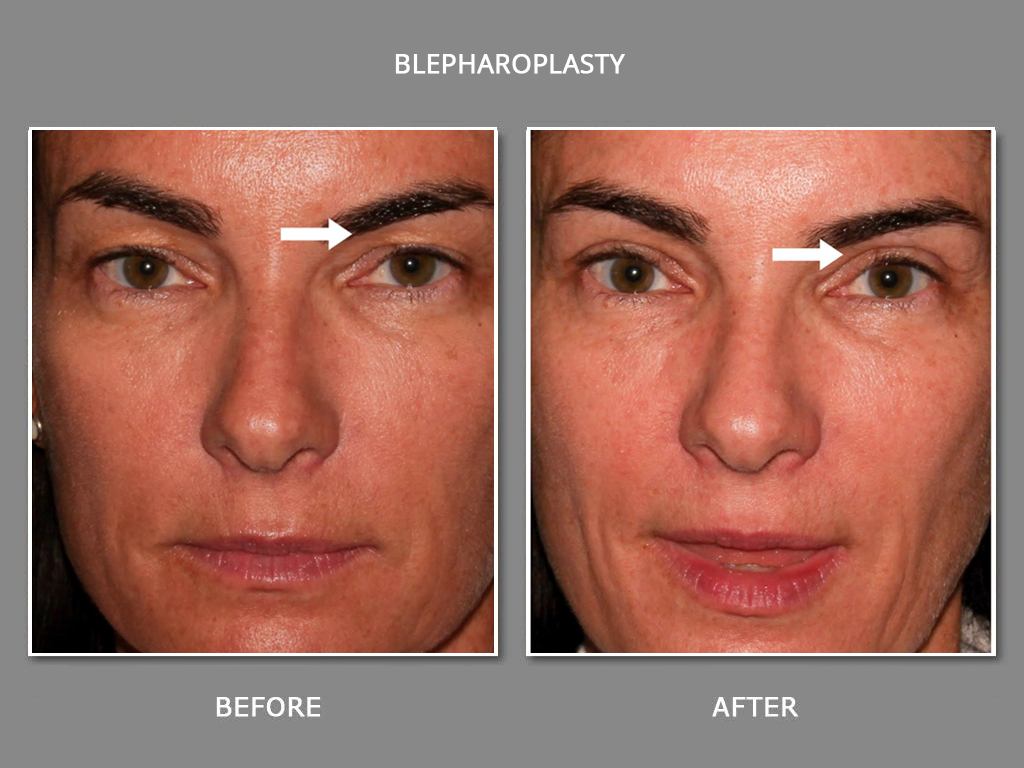

I had a blepharoplasty about six months ago with Dr. Janowski. I initially thought that I would do it in a few years because I didn’t think my eyelids were sagging so much. Dr. Janowski showed me how I was unconsciously holding my eyebrows up in order to keep my eyelids up. So I had it done to look better. The few days after the surgery everything was so bright. I attributed that to stitches and swollen eyes. But gradually I realized that the brightness was my eyes adjusting to a larger field of vision. Your eyelids sag slowly but the surgery restores your vision all at once. I look 100% better but equally important is that my vision is significantly improved. If you would have asked me before the surgery about my vision I would have said it was perfect. You have no idea how much your vision is impaired until you you have this surgery. It has made a huge difference in the way I look and also how well I can see
— Melinda B
Upper eyelid surgery may be appropriate if excess eyelid skin is making your eyes look heavy, hooded or tired, or if the skin is beginning to interfere with your vision.
Good candidates are generally in good health, have realistic expectations and want to address excessive or sagging upper eyelid skin.
While many patients considering blepharoplasty are 35 or older, genetics can cause baggy or drooping eyelids to develop earlier.
You May Be a Candidate If You Notice:
Upper eyelid blepharoplasty has a relatively straightforward recovery for many patients.
Bruising and swelling are expected following treatment and can be present for approximately one week. Mild soreness may occur during the first one to two days.
Sutures are generally removed during an early follow-up appointment.
Your exact recovery and post-procedure instructions will be reviewed with you by the Sonata team.

Mild soreness, swelling and bruising can occur.
Bruising and swelling gradually improve. Avoid strenuous exercise and heavy lifting.
Return to Sonata for evaluation and suture removal as directed.
The incision continues to fade within the natural eyelid crease.
Before Your Blepharoplasty:

After Your Blepharoplasty:
Do:
Avoid:
Blepharoplasty specifically addresses excess eyelid skin. Other concerns around the eyes may require different treatments.
Depending on your goals, Dr. Janowski may recommend combining your eyelid lift with:
Can address skin quality, texture and other signs of photoaging.

The eyes are one of the most expressive areas of the face. Even a small change can have a significant impact, which makes experience, precision and a conservative aesthetic especially important.
At Sonata Aesthetics, Dr. Janowski takes an individualized approach to upper eyelid surgery, with the goal of removing the appropriate amount of excess skin while maintaining the natural character of your eyes.
The Sonata Difference
The current Sonata page describes upper lid blepharoplasty as a relatively simple in-office procedure that can typically be completed in about an hour under local anesthesia. Oral sedation can be provided if desired.
Local anesthetic is used to keep patients comfortable during the procedure. The existing page describes a brief pinch from the local anesthetic and mild soreness during the first one to two days.
No. Blepharoplasty primarily addresses excess eyelid skin. Dysport, fillers, lasers or other treatments may be recommended for additional concerns around the eyes.
The incision is positioned within the natural upper eyelid crease, helping conceal the scar as it heals.
The goal is not to change the shape or character of your eyes. Sonata’s approach is to remove excess skin while maintaining a natural appearance.
Bruising and swelling can be present for approximately one week. Individual healing times vary.
The existing Sonata page states that results typically last around 10 years, although individual results and aging
will vary.
Sonata named Top MedSpa in Colorado.